

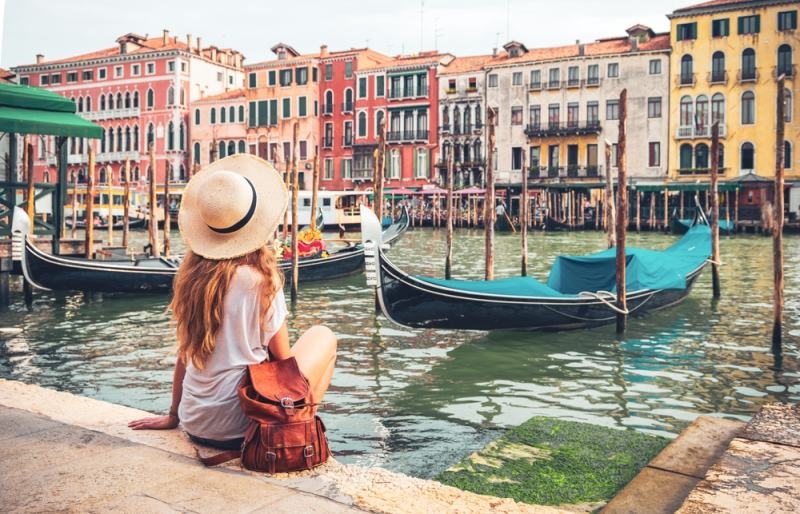
Venice is like no other place you have been to. It was built on a lagoon with bridges, narrow streets, canals, and water transportation to explore the destination through roaming around instead of just getting from one point of interest to another. The city offers the first impression by way of great plazas and monuments, but there are some peaceful areas as well.
Whether you spend the weekend or a couple of days here, planning your priorities will help you enjoy the best of Venice without making the trip feel like a routine. This Venice travel guide includes places to visit and itinerary suggestions.
Venice is an example of how the combination of architecture, history, art, cuisine, and lagoon landscape has been squeezed into a single destination. Many of the most unforgettable experiences occur during the walks between major sights, when unexpected bridges, canals, and courtyards appear before your eyes.
There are also daily variations. Venice can be calm in the early morning near well-known squares, vibrant in the afternoon with bustling streets and coffee bars, and have its own special ambiance at night, once tourists have departed.
First visits to Venice should not be about filling each minute. There needs to be time to get hopelessly lost, eat some cicchetti, watch the boats go by on the Grand Canal, and find a quiet campo off the beaten path.
Also check: The Italian Culture: Food, Customs, Heritage, and Lifestyle
Start your journey near St. Mark’s Square, which is considered the historic center of Venice. Visit St. Mark’s Basilica, the Doge’s Palace, the Campanile, and the waterfront while heading towards Rialto.
Journeying between these places will be the attraction itself, as you can take the meandering alleys and little bridges and stroll leisurely through shops and stop by canals instead of moving to the next location straight away.
Rialto offers the chance to explore the bridge and market district. In the later part of the day, take a vaporetto on the Grand Canal to have a fresh perspective on Venice’s historic structures and waterfront.
Use the second day to discover other parts of Venice, outside of the central landmarks. In Cannaregio, you will find canals that are not that crowded, historic sites, and old-style bars (bàcari).
Select one museum based on your preferences. There are several museums for visitors who like art and history. Do not try to visit several museums in one afternoon—it is better to focus on one and have time for the city.
After that, go for a walk in Dorsoduro and enjoy coffee, gelato, or cicchetti. It is particularly nice to spend the evening near the water.
Day three could be reserved for the islands of the lagoon or a leisurely return to central Venice. Murano is famous for its glass-making industry, whereas Burano is famous for its colored houses. If you have a penchant for history and peace, Torcello could also be an option. Or, stay in Venice and explore a favorite part of the city or a museum that you missed before.
Among some of the best activities in Venice, Italy, are those that simply entail the enjoyment of the city at various paces through walking on its historic bridges, taking vaporetto rides, exploring local streets, visiting museums, and enjoying Venetian cuisine.
Gondola riding is one of the most memorable experiences for visitors who wish to have a glimpse of the narrow canals from the water. This, however, is optional because the vaporetto riding offers wonderful views as well, and it acts as a form of transport.
As far as the food goes, there is a need to try cicchetti—little Venetian foods found in baccari bars—as well as seafood, risotto, pasta, and sweet dishes. There is a need to create enough time to leisurely eat meals rather than rush through them.
Venice is full of wonderful sights, and it’s difficult to tell which of them you should see first, depending on your preferences, but here are some suggestions.
St. Mark’s Square is undoubtedly the place to start when it comes to visiting architectural landmarks. Rialto Bridge features an amazing view of the Grand Canal in Venice. Another building that can be taken into account is the Doge’s Palace.
If you like art, then you should also think about visiting the Peggy Guggenheim Collection. Cannaregio and Dorsoduro are also good places to go, especially for those who prefer quieter streets.
Murano and Burano are great choices for a trip in the surroundings of the central islands. The first island is well-known for its glass manufacturing and the latter for its colorful buildings.
Have comfortable shoes since Venice has lots of walking, bridges, steps, and difficult terrain that makes short distances seem long.
Prepare for your visits in advance. The popular places may get crowded; therefore, by arranging things in advance, like the entry times, you will avoid long waits.
Make use of water transport wisely. While vaporettos will help you in making long trips or accessing lagoon islands, you can always walk and enjoy your surroundings.
If you must carry baggage, try as much as possible to have light bags. Rolling suitcases may prove difficult to move around on bridges and narrow streets. Staying close to a transport point is another advantage.
Carry some water, but more importantly, treat Venice as a living city. Avoid disturbing residents with loud noises in residential quarters; avoid holding up traffic on bridges and narrow streets; and always adhere to regulations at monuments and public places.
The best option is to plan while staying flexible. Determine the most important major sights and then arrange those that are close to each other, leaving room for unexpected visits in between.
It is advisable to see well-known places in the morning or late in the afternoon. Apart from the fact that you will not be facing much of the crowd, this time is more atmospheric in regard to architecture and canals.
It is unfair to assess Venice based on its postcards. The unique nature of the place can also be seen in details such as supply boats, laundry above canals, local bakeries, courts, and cafes.
An appropriate Venice travel guide should therefore include both popular sites and free time for sightseeing.
Must Read: Best Time To Visit Italy For Seasonal Experiences
There is much to see here in Venice, but those who take time to explore beyond the obvious will find Venice more enchanting. The classic sites of the city should not be overlooked, but Venice is even better when paired with walks around town, trips to the lagoon, authentic Venetian cuisine, and surprises along the way.
It only takes three days to visit the main landmarks, discover the different neighborhoods, walk along the Grand Canal, and visit one or two islands in the lagoon.
Walking is the best means of transport for touring the historic center, whereas vaporettos are helpful when going further away and to the islands like Murano and Burano.
Staying in the historic center provides convenience for exploring the place in the early morning and evening. While staying outside might provide other choices of places to stay, as well as transportation links, it depends on how much money you have for the trip.
It all depends on your preferences with regard to the climate, the number of tourists, and events. Spring and autumn might provide nice weather conditions, and summer—warm weather and lots of tourists.
Walking shoes are necessary. Packing light clothes is a good choice because you have to walk quite a lot in this city. Apart from that, keep all your daily essentials.
This content was created by AI