

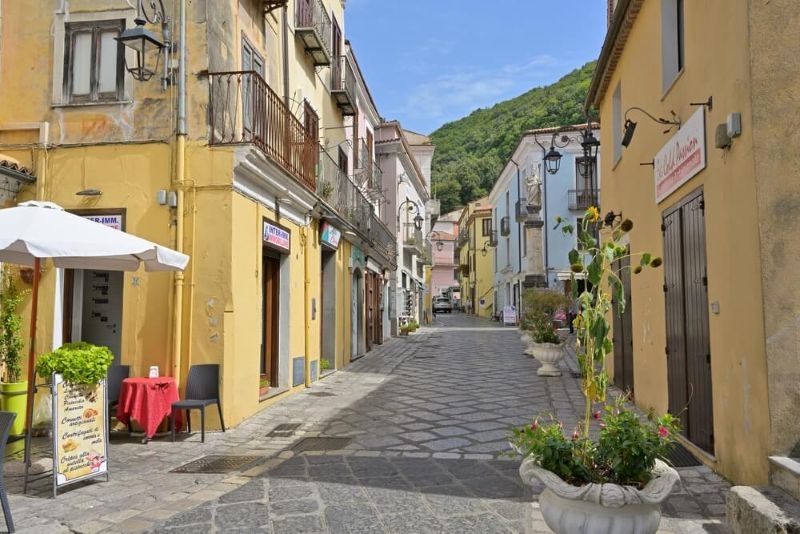
Ask ten people about Italy and you will get ten different dream versions. Someone wants the Amalfi Coast in full sunshine. Someone else wants Tuscany during grape harvest. Another person just wants Rome without sweating through a T-shirt in ten minutes.
So when is the best time to visit Italy? The honest answer is frustrating and simple at the same time. It depends on what kind of Italy someone wants to experience.
Italy changes dramatically by season. The food shifts. The pace shifts. The crowd levels definitely shift. Understanding that rhythm is the key to planning a trip that feels right instead of overwhelming.
Let’s walk through the year, month by month in spirit, and figure out what kind of traveler each season suits best.
Before diving into specific months, it helps to think about travel personality. Does someone love busy energy, festivals, and long daylight hours? Or do they prefer quiet streets, cozy cafés, and lower prices?
The idea of the best time to visit Italy is not universal. It is personal. If beach days and late dinners are non negotiable, summer might win. If vineyard tours and truffle hunts sound dreamy, fall may take the crown. If someone wants iconic landmarks without shoulder-to-shoulder crowds, spring or late fall could be ideal.
Italy rewards travelers who match their expectations with the season. When that alignment clicks, the trip feels effortless.
A big part of planning comes down to Italy weather by month. The country stretches from Alpine north to Mediterranean south, so weather varies more than people expect.
Winter in northern cities like Milan or Venice can be cold and misty. Southern regions stay milder but still cool. Spring warms gradually, with April and May bringing pleasant temperatures and blooming landscapes. Summer can be hot, especially in cities like Rome and Florence, where heat lingers between stone buildings. Fall cools things down again, often with golden light and harvest activity.
Rain patterns matter too. November can bring more showers in some regions. July and August often deliver strong sun and heat. Checking regional forecasts helps, but season-based planning gives a good baseline.
The main point: pack according to region, not just country.
Travel in Italy tends to follow three main rhythms: high season, shoulder season, and low season. These Italy travel seasons shape everything from hotel rates to museum lines.
High season typically runs through summer, especially July and August. Expect vibrant streets, packed beaches, and popular attractions buzzing with activity. Prices often climb accordingly.
Shoulder seasons usually include late spring and early fall. These months often balance good weather with lighter crowds. Many seasoned travelers swear by May, June, September, and early October.
Low season, mostly winter months outside of holidays, offers quieter cities and lower rates. Some coastal towns slow down significantly, but major cities remain lively. Each season offers a different version of Italy. None are wrong. They just feel different.
There is something hopeful about spring. Flowers bloom. Café tables return outside. Markets fill with bright produce. spring in Italy travel feels light and optimistic.
March can still be cool, especially in the north. April warms gradually. May often delivers near-perfect conditions in many regions. Cities are lively but not suffocating. Countryside landscapes look vivid and green.
Spring works well for sightseeing-heavy itineraries. Walking tours feel comfortable. Long museum visits are manageable without summer heat. Coastal areas start waking up without peak crowds. For travelers who want a balanced mix of culture, scenery, and comfort, spring makes a strong case.
Now we get to the iconic postcard season. Italy summer tourism brings long daylight hours, bustling piazzas, music festivals, and beach culture in full swing. Coastal destinations like the Amalfi Coast, Sardinia, and Sicily feel electric. Outdoor dining stretches late into the night. Gelato becomes a daily ritual.
But summer also brings heat and crowds. Cities can feel intense in July and August. Midday sightseeing can be draining if not planned carefully. Many Italians take vacations in August, especially around Ferragosto, which can affect shop and restaurant hours in smaller towns.
For travelers who thrive on energy and do not mind sharing views with others, summer offers unforgettable moments.
If spring feels fresh, fall feels grounded. fall travel Italy often delivers warm days, cooler evenings, and harvest season in full swing.
September often feels like a quieter extension of summer. October brings crisp air and beautiful countryside colors. Food culture shines in fall, with wine harvests, truffle festivals, and seasonal ingredients taking center stage.
This season suits travelers who care about culinary experiences and scenic drives. Vineyard visits feel more authentic. City crowds thin slightly compared to peak summer. And that golden light in Tuscany? It is real. Not exaggerated.
Winter rarely tops “best season” lists, but it deserves a fair look. December brings festive markets and holiday decorations. January and February are quieter, especially in coastal towns, but cities remain active.
Northern regions offer access to ski areas in the Alps. Southern cities like Naples and Palermo stay milder compared to much of Europe. Museum visits become easier without summer lines. Hotel rates often drop outside of holiday weeks. Restaurants feel more local. Winter works best for travelers focused on culture, food, and slower exploration rather than beach time.
Still unsure? Try matching activities to seasons.
When thinking about Italy weather by month, remember regional variation. Lake regions may feel cooler in spring. Southern beaches warm earlier. Alpine areas hold snow longer.
The country’s diversity means someone can almost always find a region that fits their desired experience.
Crowd tolerance is personal. Some people love the buzz of Italy summer tourism. Street performers, lively squares, and packed beaches feel exciting. Others prefer quiet mornings and empty alleyways.
Spring and fall often offer a middle ground. Lines shrink slightly. Restaurants feel more relaxed. Photos are easier without dozens of people in the background.
The idea of the best time to visit Italy shifts depending on how someone feels about waiting in line or navigating packed train stations.
Food lovers often choose travel dates based on ingredients. Spring offers artichokes, asparagus, and fresh herbs. Summer highlights tomatoes, zucchini, and stone fruits. Fall brings mushrooms, chestnuts, and new wine. Winter leans into hearty stews and citrus.
This is where spring in Italy travel and fall travel Italy often shine brightest. Seasonal dishes feel connected to place and time. Choosing travel dates around food festivals or harvest events can add a meaningful layer to the trip.
So what is the real verdict? The best time to visit Italy depends on personal priorities. There is no universal answer. Summer offers vibrant energy. Spring offers balance. Fall offers flavor and color. Winter offers calm and value.
The smartest approach is to decide what version of Italy someone wants to meet. Then choose the season that matches that vision. Because Italy does not change its personality by accident. It shifts with intention. And when travelers align with that rhythm, the experience feels natural.
Late spring and early fall are often considered ideal due to pleasant weather, manageable crowds, and strong seasonal experiences.
In many cities, summer can be very warm, especially in July and August. Coastal areas are more comfortable, but city sightseeing may feel intense.
Winter months outside major holidays typically offer lower hotel rates and fewer crowds, making it more budget-friendly overall.
This content was created by AI