

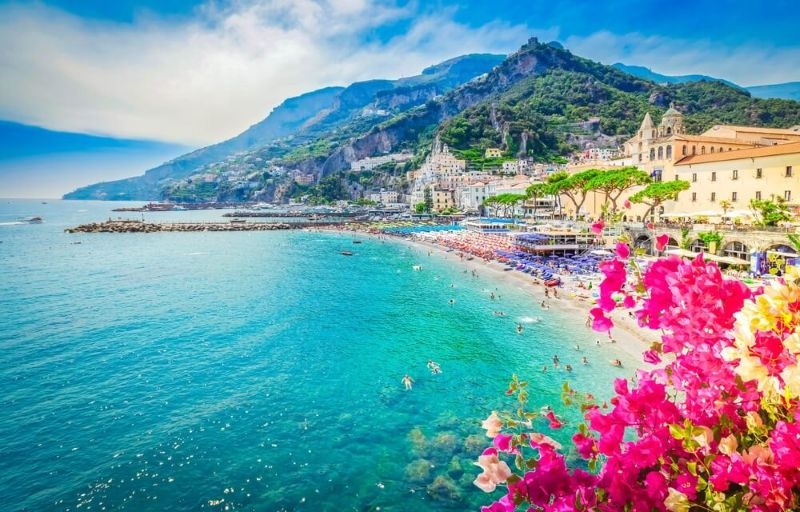
Picture this. You are winding along a cliffside road, the Tyrrhenian Sea glittering below, lemon trees brushing the air with citrus scent, and pastel houses stacked like a watercolor painting. That’s the Amalfi Coast. But here’s the thing. Most travelers only see the headline towns. The real magic often hides in the quiet corners, the tiny harbors, the lesser-known villages where life feels unhurried and wonderfully Italian.
This Amalfi Coast travel guide walks you through those hidden seaside gems and the best towns the Amalfi Coast has to offer. We will talk about scenic drives Italy is famous for, share practical Positano travel tips, sketch a flexible Amalfi Coast itinerary, and even peek into luxury hotels Amalfi visitors rave about. If you are planning your first trip from the USA or coming back for round two, this guide will help you see beyond the obvious and savor the coast in a deeper way.
The Amalfi Coast is not just one town. It is a stretch of dramatic coastline in southern Italy, near Naples, dotted with villages that each feel like their own little universe.
Most US travelers fly into Rome or Naples. From Rome, you can take a high-speed train to Naples, then transfer by train or private car to the coast. From Naples, it is about 1.5 to 2 hours by car, depending on traffic.
If you want ease, book a private transfer. If you want adventure, rent a car and take one of the most scenic drives Italy is known for. Just remember, the roads are narrow and winding. It is beautiful, yes. It is also not for the faint of heart.
Late May through June and September are ideal. The weather is warm but not blistering. July and August are stunning but busy. Honestly, if you love energy and don’t mind crowds, peak summer has its own charm.
Spring brings blooming flowers. Fall brings fewer cruise ships. There is no wrong season, but there is a right season for your personality.
Each town has its own personality. Some are glamorous. Some are humble. Some feel like a movie set. Others feel like real life, which can be even better.
You have seen it on Instagram. The stacked pastel houses. The pebbled beach. The chic boutiques. Positano is the poster child of the coast.
Here are a few Positano travel tips:
It is glamorous, yes. But early in the morning, when the cruise crowds are gone and fishermen are out, Positano feels surprisingly peaceful.
The town of Amalfi once ruled a maritime republic. Today, it feels lively and compact. The Duomo di Amalfi towers over the main square, its striped facade catching the sun.
Wander the tiny alleys. Stop for espresso. Visit the Paper Museum if you like quirky history. Amalfi is busy, but it has substance. It feels grounded.
Perched high above the coastline, Ravello offers calm. The views from Villa Cimbrone’s Terrace of Infinity are breathtaking. Weddings happen here for a reason.
Ravello is less about beaches and more about gardens, music festivals, and slow dinners with a view. If Positano is the extrovert, Ravello is the thoughtful artist.
Atrani is tiny. Blink, and you might miss it. But that’s part of the appeal. It feels authentic, almost untouched.
Praiano sits between Positano and Amalfi, offering stunning sunsets and fewer crowds. If you want beauty without the buzz, these towns deserve a spot on your Amalfi Coast itinerary.
Driving along the Amalfi Coast is an experience. The road hugs cliffs, curves sharply, and reveals jaw-dropping views at every turn. It is both thrilling and slightly nerve-racking.
The SS163 highway connects the main towns. Along the way, you will see:
Here’s the mild contradiction. Renting a car gives freedom. But parking is limited and expensive.
Planning a trip can feel like solving a puzzle. You want to see everything. But you also want to relax. Here’s a balanced approach.
Day 1: Base yourself in Positano or Amalfi. Explore the town, enjoy the beach, and have dinner with a sea view.
Day 2: Visit Ravello in the morning. In the afternoon, take a boat tour along the coast. Swim in hidden coves.
Day 3: Explore Amalfi town and nearby Atrani. Shop for ceramics and limoncello before heading back to Naples.
With more time, add Praiano, hike the Path of the Gods, or take a day trip to Capri. Slow down. Spend a whole afternoon doing almost nothing. The Amalfi Coast rewards those who linger.
The coast is known for elegance. And yes, there are stunning luxury hotels that Amalfi visitors dream about. Think cliffside infinity pools, lemon-scented terraces, and breakfast with panoramic views.
Some well-known options include:
These properties blend old-world charm with modern comfort. But here’s the truth. You do not have to stay at a five-star hotel to enjoy the coast.
You cannot talk about the Amalfi Coast without mentioning food. Fresh seafood. Handmade pasta. Lemons the size of grapefruits.
Try:
Pair it with local white wine. Sit outside. Let the evening stretch. Meals here are not rushed. They are events. And that rhythm, that slower pace, seeps into you.
You know what makes this coastline special? It is not just the views. It is the feeling. The way sunlight hits the cliffs in late afternoon. The laughter drifted from a terrace. The hum of scooters on narrow streets.
Yes, it is popular. Yes, it can be crowded. But it still feels intimate if you look closely. The hidden corners, the early mornings, the quiet beaches. They are there.
Three days give you a quick overview, but five to seven days let you relax and explore hidden villages at a comfortable pace.
It can be, especially in summer. Booking early, staying in smaller towns, and using ferries instead of private drivers can help manage costs.
Ferries are scenic and practical. Buses work well, too. Driving offers freedom but requires confidence on narrow coastal roads.
Late spring and early fall offer warm weather with fewer crowds. Summer is lively and beautiful, but busier and more expensive.
This content was created by AI