

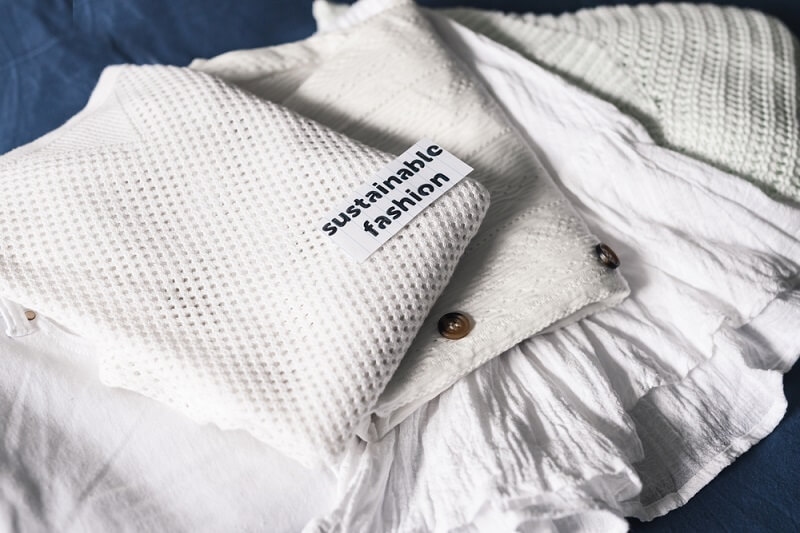
Craftsmanship, tailoring, and timeless design have always been associated with Italy; however, the latest trend in Italian fashion has been to create sustainable Italian fashion brands that continue the lengthy tradition through innovative design, transparent production methods, and a sense of responsibility. The country is now embracing what has become known as the slow fashion movement, as well as an increasing number of sustainable textiles being produced in Italy. As one of the leading centers of the green fashion industry, Milan, Italy, is producing evidence that sustainability and sophistication can coexist beautifully.
What are the reasons behind the influence of sustainable Italian fashion brands, and why has the world taken notice of the cultural changes occurring in Italy?
Sustainable Italian fashion brands find their success by combining their roots with new ideas. Italy’s fashion business is backed by high-quality products made in factories that comply with EU environmental laws, making it a perfect place for ethical businesses to grow.
According to the European Commission, the EU Green Deal and the Circular Economy Action Plan are helping create sustainable production processes across European countries. In response to this, Italian manufacturers are implementing measurable environmental policies, establishing supply chains that can be traced back to them, and maintaining clear business practices with their suppliers.
Sustainable Italian fashion brands focus on making high-quality products rather than producing large quantities like fast-fashion brands do. The concept of making high-quality goods is very similar to the Italian "slow-fashion" movement because it encourages items to last longer, be made by skilled artisans, and produce far less waste.
By focusing on producing things in small quantities, Italian design houses reduce the number of items they produce and ultimately reduce their impact on the environment. In turn, this helps preserve Italy's craftsmanship and pays fair wages, two main components of ethical fashion brands in Italy.
The changes are particularly evident in Milan, which has long been regarded as one of the world's centres of fashion. In contemporary Milan, the green fashion industry has had a huge influence on global standards. For example, many global brands now participate in sustainable fashion weeks, many companies implement eco-certification standards, and as a result of partnerships between the fashion industry and research institutions, sustainable fashions from Italy have become the trend-setters.
Many Italian fashion brands are defining the new normal of sustainable fashion, rather than just reacting to it. For instance, the Camera Nazionale della Moda Italiana has developed guidelines regarding sustainability, encouraging brands to cut down on their carbon footprint and have a circular economy approach.
The growth of eco-friendly apparel in Italy is indicative of a larger generational transformation taking place. Consumers in Italy care more than ever before about knowing where things come from; as such, they expect brands to be environmentally responsible by producing items that have little or no impact on the environment and can be easily traced back to their origins.
The Italian textile industry has been at the forefront of this movement through innovation in sustainable textiles. Regional places like Tuscany and Lombardy have made significant investments into the development of organic cotton materials, recycling textile products and dyeing processes with non-toxic products derived from plants.
As noted by the Italian Trade Agency, sustainability is one of the driving factors behind the increase in exports and has helped to emphasize Italy's position as a country that practices ethical manufacturing.
Some examples of those new innovations are:
These advancements enable Italian luxury brands specializing in sustainable fashion to produce high-quality products with minimal impact on the planet.
An equally important part of all fashion production is that it is produced ethically. Fashion brands producing ethically offer workers in factories Fair wages and working conditions that are both fair and easy to understand. Additionally, due to EU labor laws, there must be full transparency throughout the supply chain to ensure compliance with legal requirements.
By having the EU hold manufacturers to strict sustainability standards, as well as labour conditions, Italy has established itself as a recognised world leader in ethical fashion.
By purchasing eco- or environmentally friendly clothing made in Italy, the consumer is buying more than just an eco-friendly garment; he or she is buying integrity.
Italy's slow fashion movement is not only about creating products; it encompasses an entire lifestyle.
Consumers' attitudes towards purchasing fashionable clothing have changed dramatically over the past decade toward purchasing items that are of good quality, constructed well, and will be worn for a long time. Many of the sustainable fashion brands in Italy are answering this demand for clothing made to last with high-quality materials and construction by creating versatile styles that can be worn for a while.
In addition to creating a business model based on the concepts of a circular economy as established by the Organisation for Economic Co-operation and Development, the Italian sustainable fashion industry promotes the sustainable development of the fashion industry and encourages the optimal use of resources.
The green fashion industry in Milan has not only influenced designers worldwide but also redefined luxury clothing on a global scale. This new definition of luxury has led Milan Fashion Week to include a separate section of the event focused on sustainable fashion, recycled materials, and environmentally friendly production methods.
Through innovation and alignment with government policies, sustainable Italian fashion brands are creating a model for merging environmental responsibility with aesthetic excellence.
Ethically sustainable fashion provides significant economic benefits; this is true for both Italy's fashion industry, which contributes to the country's economy, and for the Italian Government, which promotes the development of sustainable fashion through a number of programs and EU-funded initiatives aimed at fostering innovation in sustainable textile and eco-friendly clothing production in Italy.
By bringing together Italian culture, supportive policies, and more informed consumers, Italian fashion companies grounded in ethical principles will have an opportunity for long-term success.
As companies become more open to consumers and create more ethically sustainable brands, these types of Italian fashion companies will also have greater opportunities to build consumer confidence and trust internationally.
All claims about sustainability are not equal. The characteristics of legitimate sustainable Italian fashion labels include:
These characteristics provide evidence that sustainability is a part of their operations and an effective marketing technique.
Italian luxury fashion companies redefine the term “luxury” in a 21st-century context via several avenues: “eco-friendly clothing Italy innovation,” “ethical fashion brands Italy accountability,” and “green fashion industry cultural leadership Milan.” All of these avenues demonstrate to consumers that sustainability can actually improve quality rather than degrade it.
As a result of European Union environmental policies and support from global organizations, the slow fashion movement in Italy is inspiring many consumers around the world.
With the adoption of sustainable materials and ethical production systems, the Italian fashion industry serves as a strong model of what can be achieved through conscious and elegant living.
Thus, it can be argued that luxury is not just a matter of beauty; it also requires a sense of responsibility.
Sustainable Italian brands focus on high-quality craftsmanship; eco-friendly textiles (sustainable materials), ethical labor practices; and respect for the earth, meaning that they are built to last and manufactured transparently in an environmentally sustainable manner; as opposed to fast fashion, which is about mass-produced items created in a short period of time to follow quick trends.
As the slow fashion movement influences Italian consumers, it promotes the investment in ethically produced, long-lasting pieces of clothing. It encourages mindful purchasing patterns by encouraging the purchase of clothing from ethical fashion brands, and has also helped to support businesses that offer fair wages and a reduced carbon footprint.
Milan serves as a leader in the green fashion industry by creating innovation, establishing sustainability benchmarks, and hosting prestigious international design events that showcase initiatives in eco friendly fashion (sustainable fashion) and sustainable fashion brands made in Italy, all of which are shaping the future of the global luxury fashion industry.
This content was created by AI