

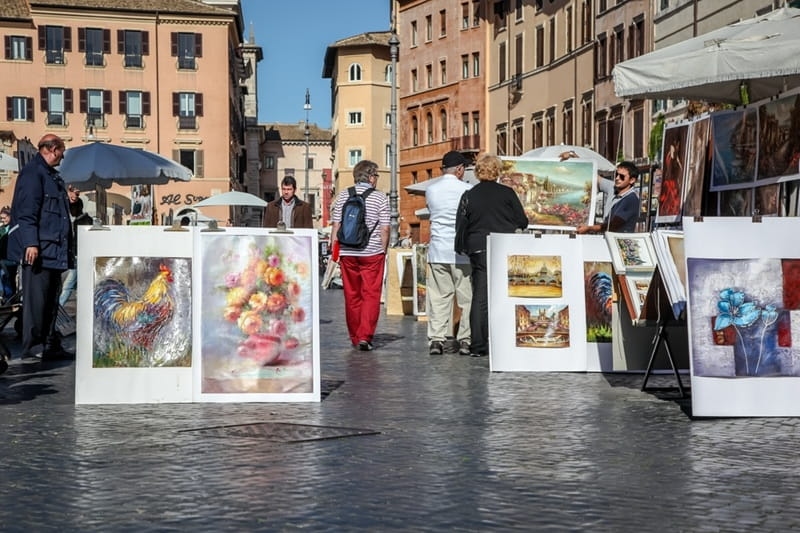
The Rome street art scene has an energy you can feel as soon as you enter one of the quieter streets, where older buildings sit next to new, bright colors with powerful messages. The contrast creates a visual narrative that lends itself to an authentic, human experience. Some of the best street art in Rome is often located away from the busy tourist attractions (such as the Colosseum, Piazza Navona, and Pantheon), where walls in these local neighborhoods bear the voices that will never be recorded in any history book.
The Italian urban art culture is well represented in Rome because it supports art made for people, not for museums. Rome graffiti artists produce works shaped by daily experiences rather than trends, and some street art tours begin in areas where residents live rather than in areas where tourists flock to see the landmarks. The Rome street art scene demonstrates that Rome continues to evolve while remaining true to itself.
The Italian urban art culture developed slowly through communities' voices and has grown from social issues, youth expression, and community spaces. Rome is a large canvas because its streets held stories long before paint was ever applied to a surface. The rules of Italian urban art culture are based on honesty; as such, the majority of the artwork was designed to express certain feelings (anger, joy, hope) rather than for decorative purposes.
This mindset shapes the Rome street art scene into something deeply personal, feeling rooted rather than forced.
Street art in Rome appears to be located away from many of the city's historical features and is often found in places that people go about their daily routines: schools, markets & train stations (the public transport network). Each neighborhood will have a different vibe & character based on the people who reside there day to day.
Some of the areas in which you can find the best examples of street art in Rome are:
Street art in Rome is an integral part of the city's history; residents are exposed to murals on streets where they frequent every single day & they become invested in them through their ownership. Hence, street art is a way for those living in Rome to support & feel a sense of community based on their artwork.
Rome graffiti artists shape how the city speaks visually, some working fast with tags and symbols, while others spend days on detailed murals filled with emotion. Many artists value presence over popularity, letting the work exist without explanation. Well-Known Rome Graffiti Artists
Rome graffiti artists rarely seek fame, and this quiet attitude strengthens the Rome street art scene naturally and keeps it authentic.
Contemporary mural art in Italy focuses on balance and care, with artists studying walls, building age, and neighborhood mood before painting. Colors often stay soft to respect historic surroundings rather than overpower them.
Contemporary mural art in Italy proves that new ideas can live alongside history, helping the Rome street art scene feel calm yet meaningful.
Street art tours in Rome offer guided insight into murals and graffiti, explaining their meanings, techniques, and artists' backgrounds. These tours also show how neighborhoods evolved, giving visitors context beyond visuals.
Street art tours in Rome help visitors see art beyond photos while supporting local guides and businesses, thereby protecting the Rome street art scene.
The Rome street art scene never stays still, with murals appearing overnight and disappearing without warning. Weather, rules, and time constantly reshape walls, making each piece feel both temporary and special.
What this really means is that change keeps the Rome street art scene alive and connected to the moment it was created.
The best street art in Rome connects emotionally because faces often resemble real neighbors, and messages reflect daily challenges and joy. Simple words and familiar places turn walls into shared stories.
Italian urban art culture values storytelling, which makes the best street art in Rome feel quiet but lasting.
Contemporary mural art in Italy influences artists worldwide, with many visiting Rome to learn about balance and restraint. Local Rome graffiti artists often collaborate with international creators, creating shared ideas without losing identity.
This exchange keeps the Rome street art scene fresh while protecting its roots.
Street art tours in Rome help protect murals indirectly through education and awareness. When people understand the meaning, they treat the artwork with care, and guides often encourage respectful behavior.
Street art tours in Rome highlight overlooked areas, helping preserve both art and community pride.
Italian urban art culture faces limits and risks, including weather damage, city regulations, and the short lifespan of materials. Murals can vanish without warning, but artists continue creating because the temporary nature adds power and honesty.
The Rome street art scene accepts change as part of its identity rather than a weakness.
The Rome street art scene continues growing slowly as young artists learn from older voices and neighborhoods stay involved. Walls will change, and styles will shift, but the purpose remains clear and human.
Rome's street art provides an opportunity for a part of the population to express themselves & add to a narrative pattern throughout history. Italian urban art culture combines elements from the past with the voice of the present; the works created by graffiti artists living in Rome & the various street art tours serve as a conduit through which cities convey their colors, feelings & sense of communal space.
It blends ancient surroundings with modern stories shaped by real communities.
The best street art in Rome appears mainly in the Ostiense, San Lorenzo, and Trastevere areas.
Street art tours in Rome explain hidden meaning and neighborhood history clearly.
Italian urban art culture focuses more on emotion, respect, and community voice than trends.
This content was created by AI