

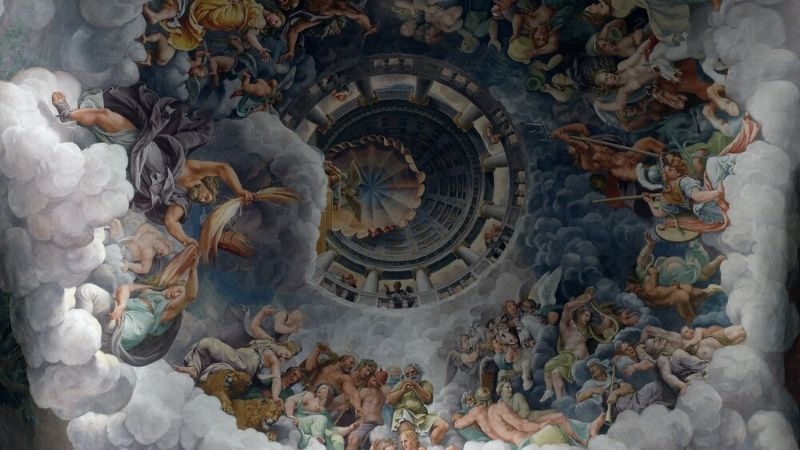
Art from the 1400s and 1500s might sound like a museum-only affair. Marble statues, painted ceilings, solemn saints. But here’s the thing. Renaissance art's influence today is not locked behind velvet ropes. It shapes how we design homes, shoot films, dress for formal events, build city halls, and even scroll through Instagram. From Renaissance architecture inspiration in modern condos to modern Italian art trends showcased in American galleries, the past keeps nudging the present.
This blog explores how that quiet nudge works. We will look at design, fashion, public spaces, and the classical art revival movement that keeps resurfacing in new forms. And yes, we will see how Italian design heritage continues to echo across the United States in ways both obvious and subtle.
The Renaissance was about rebirth, not just of art, but of ideas about humanity, beauty, and proportion. That mindset did not vanish. It traveled. It adapted. It stayed.
If you have watched films by Martin Scorsese or scrolled through dramatic photography on social platforms, you have seen Renaissance composition at work. Directors and photographers still use balanced framing, soft light, and deep shadows inspired by masters like Leonardo da Vinci and Michelangelo.
The triangular composition, the glow of light on a face, and the emotional focus on the human figure. These are not accidents. They are echoes. Renaissance artists studied anatomy and perspective to make people feel real.
Even advertising borrows from it. Luxury brands stage campaigns like modern frescoes. A model posed with calm dignity. A background that whispers history. It feels elevated because it taps into something we already associate with greatness.
Walk into a high-end department store in New York or Los Angeles, and you might notice structured gowns, corset details, and rich fabrics. That is not random nostalgia. It is Renaissance art influence today in fabric form.
Designers often reference Renaissance portraits when creating collections. The emphasis on the waist, the dramatic sleeve, the jewel-toned palette. These details are visual shorthand for elegance and power. They signal taste, heritage, and confidence.
Italian design houses in particular draw heavily from their past. That Italian design heritage impact extends to American runways and bridal fashion. Even prom dresses sometimes echo those sweeping, regal silhouettes.
Look at many US government buildings. Domes, columns, symmetrical facades. This is Renaissance architecture inspiration filtered through later classical styles. It suggests order, democracy, and permanence.
Cities such as Washington, D.C., embraced classical design to project authority and stability. The visual language says we are grounded in reason and tradition. That message is as relevant now as it was centuries ago.
And honestly, people respond to it. Symmetry feels safe. Proportion feels calm. When a courthouse or library looks balanced, we trust it a bit more. It is psychological, and it works.
Architecture may be the most visible proof of Renaissance art influence today. The bones of many American spaces still follow those old rules of harmony.
Renaissance architects believed beauty came from math. Ratios. Geometry. Human scale. That belief continues to shape modern design.
In high-end condos and suburban homes alike, you see:
Developers know buyers associate these elements with sophistication. It feels timeless. It feels expensive, even when it is not.
Interior designers often speak about proportion the way Renaissance thinkers did. A room should feel balanced, not chaotic. The sofa should not overpower the coffee table. The artwork should anchor the wall. These ideas sound simple, but they trace back to a philosophy born in Florence.
The Italian design heritage impact is especially strong in luxury real estate. Mediterranean-style villas in California, Tuscan-inspired kitchens in Texas, marble bathrooms with sculptural details. All of it nods to Italy’s artistic legacy.
Homeowners love that connection. It suggests culture and refinement. It also suggests leisure. Think about it. When you picture a Tuscan courtyard, you imagine sunlight, stone walls, and maybe a glass of wine. That mood sells.
Real estate marketing leans into this. Words like classic, heritage, artisan. The language mirrors the aesthetic. It is storytelling through space.
Here is a mild contradiction. Renaissance architecture was rooted in religion and aristocracy. Yet today, its influence appears in tech campuses and corporate headquarters.
Large atriums with skylights echo cathedral ceilings. Carefully planned courtyards encourage reflection and conversation. Even open office layouts sometimes borrow the idea of central gathering spaces found in Renaissance piazzas.
Companies want employees to feel inspired and grounded. Borrowing from a period that celebrated human potential makes sense. It is subtle, but it is intentional.
While architecture carries the bones of the Renaissance, contemporary art keeps the spirit alive. Modern Italian art trends often revisit classical techniques with new materials and themes.
Museums like The Metropolitan Museum of Art frequently host exhibitions that connect old masters with contemporary creators. These contemporary Italian art exhibitions draw crowds because they bridge the past and present.
Visitors see a Renaissance painting next to a modern reinterpretation. The comparison is striking. The themes remain similar. The human body. Faith. Power. Identity. But the style shifts. Sometimes it is abstract. Sometimes it is political.
You know what is fascinating? Digital artists now use software to recreate chiaroscuro lighting, the dramatic contrast perfected during the Renaissance. Programs like Adobe Photoshop or Procreate allow creators to simulate brush strokes and layered glazes.
NFT artists and digital illustrators often reference classical poses. A modern figure, maybe holding a smartphone, but standing like a Renaissance saint. It is playful. It is ironic. And it proves the endurance of those visual codes.
Renaissance art's influence today is not a quiet footnote in history. It shapes how Americans see beauty, design spaces, tell stories, and even define success. Through Renaissance architecture inspiration, modern Italian art trends, contemporary Italian art exhibitions, and the classical art revival movement, the past keeps offering a blueprint.
The Italian design heritage impact continues to ripple across homes, museums, fashion houses, and public buildings. We may live in a digital age, but our sense of proportion, drama, and human dignity still owes much to a movement born in Florence centuries ago.
It shapes architecture, fashion, film, and even social media aesthetics. Many modern designs still follow Renaissance ideas of balance and proportion.
Modern Italian art trends blend classical techniques with digital tools and contemporary themes, often showcased in US galleries and museums.
It is a renewed interest in traditional techniques, craftsmanship, and human-centered themes inspired by Renaissance masters.
Its symmetry and grandeur suggest stability and elegance, qualities that resonate strongly in American public and private design.
This content was created by AI