

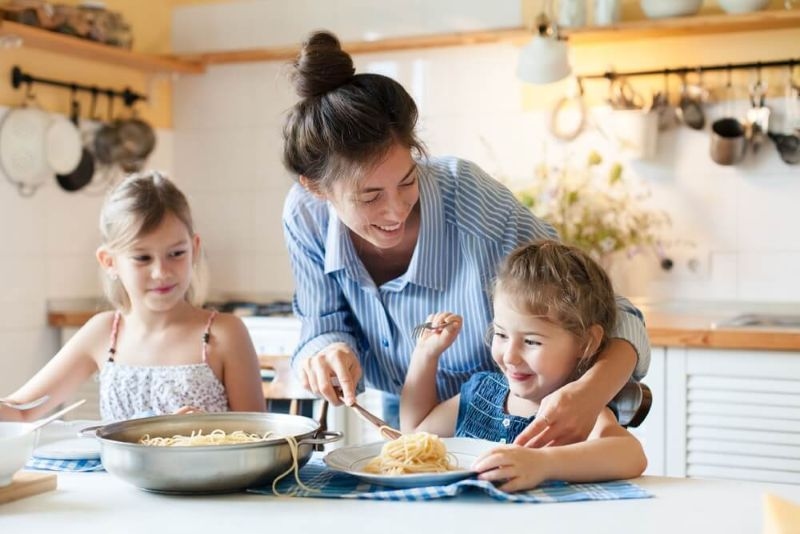
Italian family traditions are of great significance to Italian families and influence the daily behavior, beliefs, and interactions of people in Italy. Italian family traditions represent the cultural values of the Italian people and determine the life of families in Italy from childhood to old age. In Italy, intergenerational traditions transmit teachings, practices, and esteem within families, while Italian holiday traditions and social norms maintain emotional ties.
Families remain at the center of Italian society. Even as cities grow and technology spreads, Italian family traditions continue to guide decisions, celebrations, and personal identity in quiet yet powerful ways.
Italian family traditions influence simple routines and major life choices. Family support is expected, and relatives stay closely connected. This closeness shapes emotional security and social stability.
Children learn early that family comes first. Respect for parents and grandparents is taught through actions and daily habits, not only words.
Italian culture's family values influence the way families relate to each other. Showing respect, loyalty, and care is encouraged from a young age.
The most important family values are
These family values of Italian culture promote strong emotional ties. Families usually live close to each other, making it easy to help and support each other.
Italian family traditions reinforce these values daily. Children observe adults, and learning happens naturally over time.
Italian family life can also involve a strong bond with other relatives in addition to parents and children. Grandparents, aunts, uncles, and cousins are all actively involved.
The extended family is a source of support for members. Grandparents can assist with child-rearing, while children can help take care of grandparents.
Family life in Italy includes routines that bring people together.
Common habits include
These practices show the Italian family traditions and help in creating unity.
Family life in Italy also teaches responsibility. Children are taught to give back, respect common areas, and appreciate relationships.
This helps create a sense of belonging.
Generational traditions in Italy assist in passing cultural identity from one generation to another. These traditions include food, stories, and practices that have emotional significance.
Grandparents share family histories. This helps younger generations understand their heritage.
Generational traditions in Italy exist in many ways
These practices help in maintaining Italian cultural values.
Italian family traditions also foster a sense of belonging in children. Identity grows stronger when traditions continue across time.
In Italy, generational traditions create continuity, even when society changes.
Italian holiday traditions bring families together for meaningful celebrations. Holidays provide time for connection, gratitude, and shared joy.
Celebrations often include food, religious observances, and family gatherings.
Italian holiday traditions include
These Italian holiday traditions reinforce unity and shared identity.
Food plays a major role in celebrations. Recipes passed through generations connect the past and the present.
Italian family traditions become most visible during holidays. These moments strengthen emotional ties.
Social customs in Italy guide respectful behavior and social interaction. These customs shape family relationships and communication.
Respect and politeness are expected in daily life.
Important social customs in Italy include
These social customs in Italy show the importance of family honor and respect.
Italian family traditions support these customs by teaching appropriate behavior from an early age.
Families act as the first place where social skills develop.
Italian holiday traditions help to bring families together for significant celebrations. Holidays give families time to connect, be grateful, and share happiness.
Holiday celebrations may include food, religious events, and family reunions.
Italian holiday traditions are
These Italian holiday traditions promote unity and a sense of identity.
Families protect mealtime as an important social time. Even busy schedules rarely replace shared meals completely.
Italian family traditions use food as a tool for unity.
Respect for elders stands as one of the strongest Italian cultural values. Elders play significant roles as advisors and caregivers in the family.
Their experience is appreciated and admired.
Italian family traditions respect elders in several ways
Family life in Italy is characterized by a great appreciation for age and wisdom.
This appreciation brings about family unity and stability of emotions.
Generational traditions in Italy assist in maintaining this appreciation.
Religion is an important part of many holiday traditions in Italy. Religious holidays serve to bring families together.
Attendance at church services may still be a part of major holidays.
The influence of religion on social customs in Italy can be seen in the following traditions:
These traditions serve to integrate religious and family life in Italy.
Italian family traditions serve to keep these traditions alive.
Faith and family often remain closely connected.
Society changes, but Italian family traditions remain strong. Urban living and modern work schedules have influenced family routines.
However, core values continue.
Families maintain generational traditions Italy through
Italian cultural values adapt while staying meaningful.
Family life in Italy still prioritizes relationships.
Italian family traditions continue to guide emotional life.
Italian family traditions provide emotional support, identity, and stability. These traditions help individuals feel connected and valued.
Families act as social and emotional foundations.
Benefits include
Italian cultural values help families remain united.
Social customs in Italy strengthen respectful relationships.
Italian holiday traditions create shared memories.
Generational traditions Italy protect cultural continuity.
Italian family traditions remain essential to personal and social well-being.
Italian family traditions continue shaping identity, relationships, and daily routines across generations. These traditions protect Italian cultural values, strengthen family life in Italy, and preserve generational traditions Italy. Italian holiday traditions and social customs in Italy keep families emotionally connected, ensuring cultural continuity and lasting social stability for future generations.
Italian family traditions provide emotional support, teach respect, and preserve cultural identity. They help families stay connected and maintain strong relationships across generations.
Italian cultural values teach loyalty, respect, and responsibility. These values guide behavior, strengthen family bonds, and shape daily interactions.
Italian holiday traditions bring families together for shared meals, religious events, and celebrations. These gatherings strengthen emotional connections.
Generational traditions Italy pass through storytelling, cooking, celebrations, and daily habits. Older family members teach younger generations through shared experiences.
This content was created by AI