

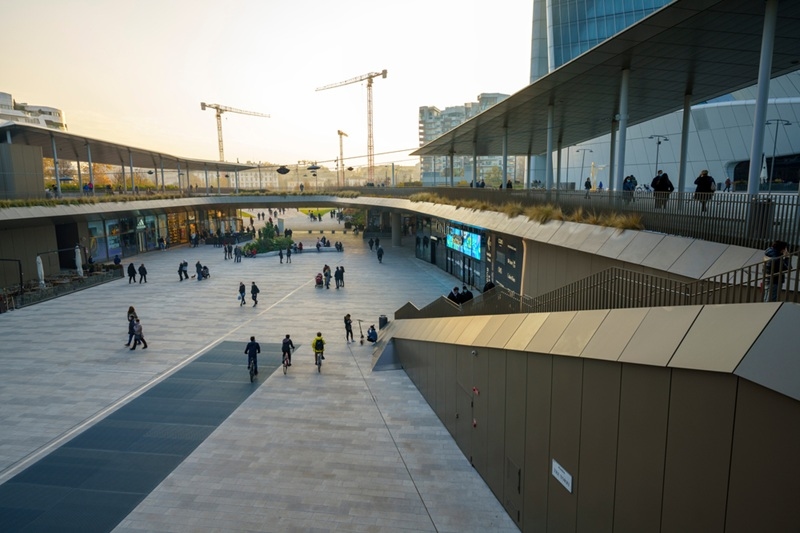
Walk through an Italian city on a weekday morning and something hits fast. It is not just the architecture, the espresso smell, or the scooters zipping past like they have a schedule to keep. It is the rhythm. People look busy, sure, but not frantic. They move with purpose, yet they still pause. They still talk. They still notice things.
That balance is the heart of the modern Italian lifestyle movement growing in urban centers. It is not a rigid trend with rules. It is more like a shared mindset, shaped by design, food culture, work shifts, and a renewed love for community in cities that never really stopped being social.
So what is changing, exactly? And why are more people outside Italy borrowing these ideas for their own city lives?
The modern Italian lifestyle in 2026 is not about pretending every day looks like a postcard. It is about building a life that feels intentional even when it is messy. Urban Italians still deal with traffic, rent, deadlines, and the endless ping of messages. They just push back against the “always on” vibe in small, realistic ways.
Think of it as a city-first version of slow living, but without the fantasy. People are still ambitious. They just care about how they get there.
There is also a quiet shift in values. Younger professionals want flexibility. Families want walkable neighborhoods. Older generations still want the neighborhood bar where someone knows their usual order. The point is not perfection. The point is connection.
If someone tries to reduce Italy’s city culture to fashion and food, they are missing most of the story. The latest Italian urban culture trends revolve around how people use space and time.
Urban planning and public spaces matter more than ever. Cities invest in bike lanes, pedestrian zones, and revived piazzas. People choose neighborhoods based on livability, not just prestige. Even how they schedule their day reflects this change. Errands become a walk. Coffee becomes a quick chat. Dinner becomes a reset, not just fuel.
Work culture is shifting too. Hybrid work pulled many people out of daily commutes, and some did not want to return to the old grind. That opened the door for more local routines and more neighborhood-based social life.
And yes, there is still style. But it is less about looking expensive and more about looking put-together without trying too hard.
If Rome is the storyteller, Milan is the planner. daily life in Milan often feels sharper and faster than in other Italian cities, but it is not soulless. It is structured. People in Milan care about efficiency, design, and professional identity. It is a city that treats aesthetics like a practical tool.
Morning starts early. Cafés fill up with quick espresso stops, not long sits. People dress with purpose, even for casual plans. Public transport runs like a lifeline. Lunch is often shorter, but it still counts. It still matters.
And after work, Milan relaxes in its own way. Aperitivo culture is not just a cute habit. It is a social system. Friends meet. Colleagues decompress. Conversations drift from work to weekend plans to what show someone is watching. It is casual, but it keeps the city human.
In the bigger picture, contemporary Italian society shows a pattern here. Even in the most modern, career-focused places, people protect small rituals that keep life from turning into one long to-do list.
Rome does not chase trends the same way. It absorbs them. Rome lifestyle trends often look like tradition with a modern twist. You might see someone working remotely from a café near an ancient wall, laptop open, espresso in hand, acting like this is totally normal. Because it is.
In Rome, the day bends around the city itself. People plan meetups in neighborhoods that feel like small towns. Markets still matter. Evening walks are still a thing. And food remains central, not just culturally, but emotionally. Meals are where people reconnect.
One of the most noticeable shifts is how Romans approach “busy.” They can be busy, yes. But they tend to resist being owned by it. They will answer the urgent message, then still show up for dinner. They will work late, then still take a long walk. It is not about productivity hacks. It is about priorities.
And honestly, that might be why outsiders keep looking at Italian cities like they hold a secret.
People hear “Italian design” and instantly picture luxury brands, glossy magazines, and expensive showrooms. But Italian design living style in cities is often simpler than that. It is about making everyday spaces feel functional and calm.
It shows up in small choices. A clean entryway. A chair that actually supports your back. Lighting that feels warm instead of harsh. Small balconies treated like mini living rooms. Kitchens organized for real cooking, not just looks.
The goal is not to impress guests. It is to make daily life smoother. That mindset extends beyond homes. Shops, cafés, and even small offices are curated in subtle ways. Not flashy. Just thoughtful.
This focus on design as comfort ties back to Italian urban culture trends because people in dense cities need their spaces to work hard. When square footage is limited, details matter.
In urban Italy, food is not treated like a hobby that happens once a week. It is part of the schedule. Lunch breaks still exist. Shopping for ingredients is normal. Eating with others is expected, not optional.
This does not mean everyone cooks elaborate meals every night. Real life is real life. But the mindset is different. People tend to view meals as moments worth protecting. Even if dinner is simple, it is still dinner. Sitting down counts.
And this ties directly into modern Italian lifestyle thinking. The city can be fast, but the table slows it down. That balance is the point.
Urban Italians often operate with a social softness that can surprise outsiders. People talk to strangers more. Not in an overly friendly way. More in a natural, casual way.
It is common to greet shopkeepers. Neighbors recognize each other. People linger in public spaces without feeling awkward. And city life still contains a village-like layer, especially within neighborhoods.
This is part of contemporary Italian society changing while still staying rooted. Technology is everywhere, but it has not fully replaced real interaction. People still value face-to-face time, even if it is brief.
A small challenge for visitors is learning the unspoken pacing. Italians can move quickly when needed, but they do not rush everything. They treat some moments as non-negotiable. Coffee. Dinner. Sunday lunch. Evening strolls.
It is not laziness. It is cultural self-respect.
Yes, Italians dress well. But the modern version is less about formality and more about ease. Clean lines. Good shoes. Simple colors. Clothes that look intentional without looking costume-like.
This shows up strongly in daily life in Milan, where style is almost a language. But even beyond Milan, most cities embrace a practical elegance. People dress for the day they are having, not the day Instagram demands.
Fashion becomes part of the urban identity. Not loud. Not desperate. Just steady.
The goal is not to copy Italy like a theme. That usually looks silly. The real lesson is in the mindset.
A few ideas worth stealing:
And if someone wants a more city-specific inspiration, Rome lifestyle trends offer lessons in blending old and new, while Italian design living style offers a blueprint for making small spaces feel like home.
This is not about romanticizing. It is about learning how a culture keeps life feeling human even in crowded streets and busy schedules.
It refers to an urban mindset focused on balance, daily rituals, design-led comfort, and strong social habits, even while keeping career and city life moving.
Milan tends to be faster, more structured, and career-driven, while Rome blends tradition with a looser pace, stronger neighborhood identity, and more lingering social routines.
Yes, by focusing on practical habits like protecting meal time, building small rituals, walking more, and designing spaces for comfort instead of pure appearance.
This content was created by AI