

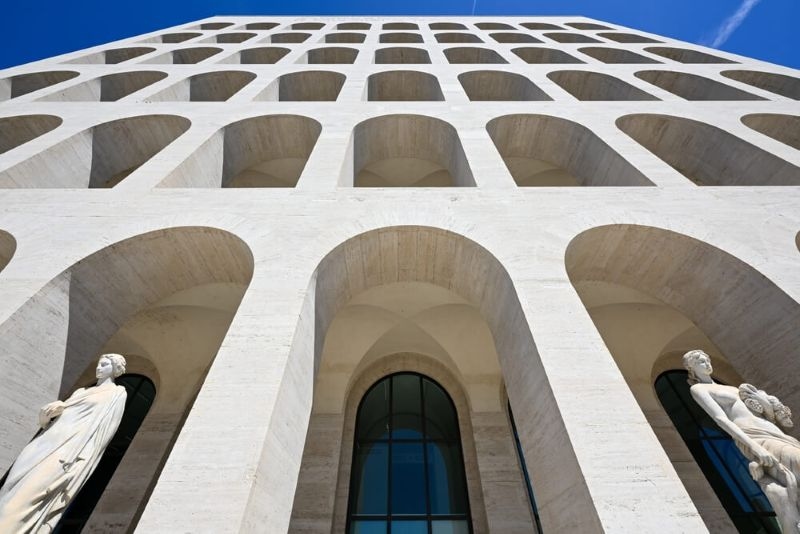
Italian architecture today demonstrates how a nation can preserve the beauty of the past while constructing something new. In Italian cities and towns, new architecture reflects the changing lifestyle of the people. Green architecture in Italy is also an important aspect, as it helps Italian cities expand without destroying the environment. The new architecture of Rome combines the ancient image with new forms, while the Milan skyline demonstrates a strong sense of ambition. This is in line with Italian architectural design trends. Italy has always cared about design. This care did not stop in the past. It evolved into modern Italian architecture, balancing history and innovation in careful ways.
Modern Italian architecture grew out of a rich history. Old Roman engineering taught strength and balance. Renaissance builders taught harmony and beauty. These lessons still guide architects today.
Several ideas passed from old times into modern Italian architecture
These ideas appear in contemporary buildings in Italy, even when glass and steel are used.
Rome's modern architecture shows this clearly. New buildings stand near ancient ruins, but both feel connected. This connection makes Italy unique.
Italian architectural design trends often look backward before moving forward.
Contemporary buildings Italy increased as cities expanded. Population growth and economic changes created new demands.
Several factors encouraged contemporary buildings Italy
Milan skyline development reflects these reasons. Tall towers changed how the city looks and functions.
Modern Italian architecture allowed cities to compete globally while keeping their local identity.
Rome's modern architecture also added modern museums, offices, and public buildings to serve changing needs.
Sustainable architecture in Italy emerged as people became more aware of the environment. Architects sought to create buildings that are in harmony with nature.
These elements are beneficial to both people and the environment.
Modern architecture in Italy has come to incorporate these elements from the onset.
Italian architectural design trends are increasingly focused on sustainability, especially in urban areas.
Contemporary buildings in Italy also use recycled materials, which reduces waste.
Modern architecture in Rome faced special challenges due to the city's history. Every new building had to respect the ancient surroundings.
Architects working in modern architecture in Rome follow careful principles
This careful approach protects cultural value.
Modern Italian architecture in Rome often feels quiet and respectful, not aggressive.
Sustainable architecture in Italy is also evident in Rome through the renovation of older buildings rather than their replacement.
This method protects both history and the environment.
The development of Milan's skyline changed how people see Italy. Milan became a symbol of progress and creativity.
Milan skyline development influenced
Tall buildings showed confidence and ambition.
Modern Italian architecture in Milan often features glass towers that reflect light and energy.
Contemporary buildings in Milan, Italy, represent economic strength.
Italian architectural design trends shape daily life. Homes, offices, and public areas reflect Italian architectural design trends start in Milan.
Sustainable architecture in Italy has also influenced the Milan skyline with green skyscrapers.
Italian architectural design trends affect everyday life.
Houses, offices, and public spaces are designed with modern ideology.
Italian architectural design trends tend to emphasize
These aspects enhance living standards.
Modern Italian architecture values emotional response over mere function.
Sustainable architecture Italy also improves indoor air quality and energy efficiency.
Contemporary buildings in Italy often include open spaces, which create a sense of freedom and flexibility.
Materials play a key role in modern Italian architecture. Architects carefully choose materials that balance tradition and innovation.
Frequently used materials include
These materials appear in contemporary buildings across many cities in Italy.
Rome's modern architecture often uses stone to match historic surroundings.
Milan skyline development uses glass and steel to create a modern identity.
Sustainable architecture in Italy also promotes the use of recycled and natural materials.
Italian architectural design trends continue experimenting with materials while respecting tradition.
Contemporary buildings in Italy do more than provide space. They express culture and values.
Contemporary buildings Italy represent
Modern Italian architecture reflects social change.
Rome's modern architecture shows respect for ancient civilization while accepting modern life.
Milan skyline development reflects economic ambition.
Italian architectural design trends help communicate national identity.
Sustainable architecture in Italy reflects responsibility toward the environment.
Technology supports sustainable architecture Italy by improving efficiency.
Technology allows
These tools reduce environmental impact.
Modern Italian architecture uses technology to create smarter buildings.
Contemporary buildings in Italy often include sensors that improve energy use.
Italian architectural design trends continue to integrate technology carefully.
Rome's modern architecture also uses technology while protecting cultural heritage.
Milan skyline development includes advanced engineering for safety and efficiency.
Public opinion plays an important role in modern Italian architecture. Some people welcome change, while others prefer tradition.
Public responses often include
Contemporary buildings in Italy sometimes create debate.
Rome's modern architecture attracts significant public attention due to its historic importance.
Milan skyline development received both praise and criticism.
Italian architectural design trends continue to balance public expectations.
Sustainable architecture in Italy often receives positive support because it protects the environment.
Italian architectural design trends influence architects worldwide. Italian design has long been respected.
Key reasons include
Modern Italian architecture serves as inspiration.
Contemporary buildings in Italy appear in global architecture discussions.
Sustainable architecture Italy helps shape international environmental design.
Milan skyline development demonstrates modern urban transformation.
Roman modern architecture shows how history and progress can coexist.
Modern Italian architecture continues evolving. Architects face new challenges and opportunities.
Italian architecture today is a great example of how tradition and innovation can complement each other. Contemporary architecture, green architecture, Rome’s modern architecture, and the development of Milan’s skyline are all a result of the cultural pride and advancements that the country has experienced. Italian design trends in architecture are still influencing the creation of beautiful spaces.
Modern Italian architecture is known for blending historical influence with modern materials and technology. It respects cultural heritage while supporting innovation and sustainability in cities and communities.
Sustainable architecture in Italy helps reduce environmental impact while improving building efficiency. It supports long-term environmental protection and improves residents' quality of life.
Milan's skyline development changed Italy by showcasing economic growth and a modern identity. It helped position Milan as a global center for business and architectural innovation.
Rome's modern architecture preserves history by respecting its ancient surroundings and employing careful design. New buildings complement historic structures rather than replace them, preserving cultural value.
This content was created by AI