

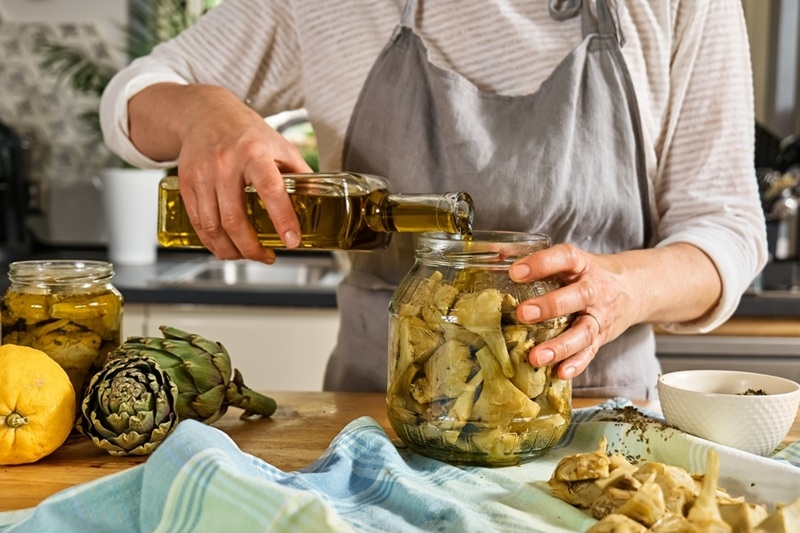
Ask someone what makes Italian food feel Italian and they might say pasta, tomatoes, cheese, or wine. All fair answers. But there’s a quieter ingredient that shows up everywhere, even when nobody points it out. Olive oil. Not as a garnish. Not as a trendy “finishing drizzle.” As a daily backbone.
In Italy, olive oil is not just fat for cooking. It is identity. It carries regional pride, family routines, and the taste memory of childhood meals. Italian olive oil production sits right in the middle of that story, linking the land to the table in a way that feels almost personal.
And yes, it can sound romantic. But it is also practical. Olive oil affects how vegetables roast, how sauces come together, how bread tastes with nothing else on it. It shapes the whole mood of a dish.
The reason Italian olive oil production matters so much is simple. Italy treats olive oil like a signature, not a commodity. It is judged, discussed, compared, and protected. People know which oil comes from which hillside. They argue about bitterness. They care about harvest timing. They notice when the oil changes from one year to the next.
This mindset turns olive oil into a cultural marker. Like dialects. Like regional recipes. The oil says where a meal comes from, even before the first bite.
It also explains why Italian cooks often choose oil as carefully as they choose tomatoes or pasta shapes. A peppery oil might belong on grilled bread and beans. A softer oil might work better in delicate fish dishes. The oil is part of the recipe’s personality, not an afterthought.
Outside Italy, people may treat extra virgin olive oil like a premium upgrade. In Italy, it is often the baseline. extra virgin olive oil Italy is valued because it captures freshness and character. It is made from olives pressed mechanically, and when done right, it tastes alive. Green. Fruity. Sometimes bitter. Sometimes spicy at the back of the throat.
That peppery bite is not a flaw. It is often a sign of quality and antioxidants, depending on the oil and how it was made.
Italian kitchens use extra virgin oil for cooking, dressing, and finishing. That might surprise some people who save it only for salads. But Italians tend to cook with what tastes good, not what looks fancy on a label.
Italy does not have one olive oil taste. It has many. And the differences can be dramatic. olive oil regions Italy range from the north, where oils can be lighter and more delicate, to the south, where oils often arrive bold, grassy, and intense.
Climate, soil, olive variety, and harvest timing all shape flavor. Tuscany is famous for peppery oils that pair beautifully with beans, steak, and ribollita-style soups. Puglia produces a huge share of Italy’s oil and often delivers robust flavors that stand up to hearty dishes. Sicily brings its own mix, with aromatic oils that can feel bright and herbal.
This regional variety is part of Italy’s culinary identity. Italians do not just cook “Italian food.” They cook Tuscan, Roman, Neapolitan, Sicilian. Olive oil fits that same pattern.
People hear about olive oil and health and sometimes tune out. It can feel like wellness marketing. But the benefits of Italian olive oil are tied to how Italians actually eat. Olive oil is used consistently, in sensible amounts, across meals. Vegetables are dressed with it. Legumes get simmered with it. Fish gets brushed with it.
Quality extra virgin oils also contain compounds like polyphenols, which researchers often link to antioxidant and anti-inflammatory effects. The point here is not to turn dinner into a supplement routine. It is that olive oil supports a style of eating that is plant-forward and balanced.
And in Italian homes, that balance looks normal. Not performative. Just food that makes sense.
Even with modern equipment, tradition has not disappeared. In many areas, families and small producers still follow routines passed down for generations. traditional olive harvesting Italy often happens in late fall and early winter, depending on region and olive ripeness. The timing matters because it influences flavor. Early harvest oils can be greener and more pungent. Later harvest oils can be softer and more mellow.
Harvesting can involve hand-picking, rakes, or nets laid under trees, with olives collected and brought quickly to the mill. Speed matters because olives begin to degrade after picking. Freshness is not a slogan here. It is a real, time-sensitive factor that affects taste.
This is why people talk about “new oil” season with excitement. Freshly pressed oil has a bite and brightness that fades over time.
When people talk about the Mediterranean diet, Italy often sits at the center of the image. Not because Italians eat perfectly, but because many traditional habits line up with what nutrition science tends to praise. Mediterranean diet Italy is less about strict rules and more about patterns: lots of vegetables, beans, whole grains, seafood, modest portions of meat, and olive oil as the main fat.
Olive oil connects those foods. It helps vegetables taste better, which makes people eat more of them. It turns simple bread into something satisfying. It carries garlic, herbs, and chili flavors across a dish.
It is also social. Meals are shared. Food is not rushed. That lifestyle piece matters too, even if it is hard to measure.
Italian shoppers often look beyond brand names. They check origin, harvest notes, and sometimes even the producer’s reputation. They may buy from local farms, cooperatives, or small stores that specialize in regional products.
In many households, there is a “daily oil” for cooking and a special bottle for finishing. Some keep multiple oils for different dishes, the way a home cook might keep different vinegars. This is also where extra virgin olive oil Italy shows its versatility. It works in cold dishes like salads and bruschetta, but also holds up in sautéing and roasting when used thoughtfully.
And yes, people taste it straight sometimes. A small sip. A little bread. It is not being dramatic. It is quality control.
The beauty of Italy’s oils is that they match local food naturally. This is why olive oil regions Italy feel like a map of flavor pairings.
Peppery oils shine on grilled meats, hearty soups, and beans. Gentle oils suit delicate fish, fresh cheeses, and lighter vegetables. Tomato-heavy southern dishes often pair beautifully with bold oils that can stand up to acidity.
This is not about memorizing rules. It is about noticing what tastes right. Italians do that instinctively because they grow up with these flavors.
Even today, olive oil is tied to community. In some places, people still bring olives to local mills and wait for their batch, then celebrate with bread dipped in fresh oil. That ritual keeps traditional olive harvesting Italy alive, even as production scales up elsewhere.
These traditions matter because they keep olive oil connected to people, not just products. That connection is exactly what makes olive oil part of identity, not just cuisine. And when people talk about the benefits of Italian olive oil, they often mean more than health. They mean flavor, pride, and the feeling of eating something rooted in place.
In the end, olive oil defines Italian culinary identity because it touches everything. It is the first ingredient in the pan. The finishing note on soup. The bridge between bread and salt. The thing that makes simple food feel complete.
It also supports the everyday rhythm of Mediterranean diet Italy, where food is flavorful, seasonal, and shared. Not perfect. Not complicated. Just well-made. If someone wants to understand Italy through taste, they could start with a plate of pasta. Or a slice of pizza. But they could also start with bread, a pinch of salt, and a spoonful of good oil. The story shows up instantly.
Italian oils vary by region, olive variety, and harvest timing. Many have strong grassy, peppery, or fruity notes that reflect local terroir and milling practices.
Yes, many Italians cook with extra virgin olive oil. It adds flavor and works well for sautéing and roasting, especially when used at moderate heat.
Look for harvest date, origin details, and proper storage in dark bottles. Fresher oils often taste brighter, with more green, peppery, or bitter notes.
This content was created by AI