

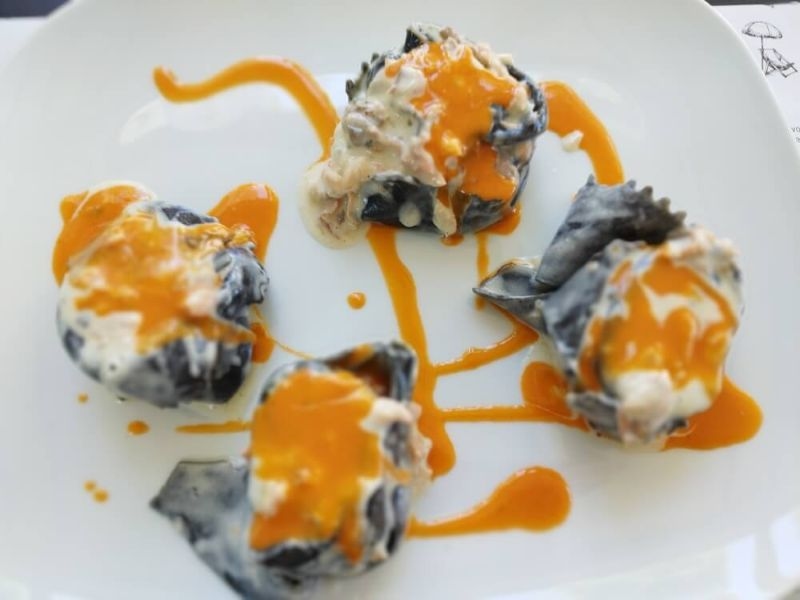
Italian Michelin-starred restaurants are at the center of the country’s fine dining scene, influencing the way in which the public perceives food, taste, and culture. In Rome and Milan, as well as the countryside, these kitchens set the trends. Many of the gourmet restaurants in Rome have established their prestige by living up to Michelin guidelines, while the luxury restaurants in Milan are characterized by creativity and accuracy. The top restaurants in Tuscany demonstrate how tradition is still important, even in contemporary kitchens. World-famous Italian chefs have often learned about discipline, patience, and pride at these prestigious restaurants. Fine dining in Italy did not grow overnight. It slowly changed with history, travel, and the passion of cooks who believed simple food could feel special.
Fine dining Italy began with regional pride. Each area cooked what land allowed, and people valued freshness. Wealthy families hired skilled cooks, who tested new ideas.
Noble households shaped early fine dining in Italy in several ways
These traditions later influenced Italian Michelin star restaurants, which kept the idea that dining should feel important, not rushed.
Many Italian chefs famous today still respect those early habits. Care for ingredients remains a key rule.
Italian Michelin-star restaurants gained attention when global travel increased. Visitors wanted trusted places to eat, and Michelin stars gave confidence.
Michelin recognition changed restaurant culture because it rewarded
Restaurants earning stars saw more guests arrive. Gourmet restaurants Rome especially grew in number and reputation.
Italian Michelin-star restaurants also encouraged chefs to improve daily. Every plate had to match high expectations.
Rome offers history on every street, and its gourmet restaurants reflect that story on every plate. Traditional recipes meet modern thinking.
Gourmet restaurants Rome often combine
This balance keeps fine dining in Italy alive and exciting.
Many Italian chefs famous worldwide were trained in the kitchens of gourmet restaurants in Rome. They learned how to protect tradition while still moving forward.
Italian Michelin-star restaurants in Rome also attract global travelers who want trusted Excellence.
Luxury dining Milan became famous for style and bold ideas. Milan is known for fashion, and its restaurants follow the same spirit.
Luxury dining in Milan stands out because chefs
Italian Michelin-star restaurants in Milan often lead trends. What starts in luxury dining in Milan sometimes spreads across fine dining in Italy.
Guests expect more than food. They expect emotion, memory, and surprise.
Italian chefs famous for innovation often built careers in Milan, where risk and creativity are welcomed.
The best restaurants in Tuscany show another side of Italian Michelin-starred restaurants. Here, tradition speaks louder than modern tricks.
The best restaurants in Tuscany focus on
This approach keeps fine dining Italy connected to its roots.
Visitors often remember the warmth and honesty found in the best restaurants in Tuscany. Meals feel personal, not just professional.
Italian Michelin-star restaurants in Tuscany prove that simple food can still earn global respect.
Italian chefs, famous globally, helped spread the values of Italian Michelin-starred restaurants far beyond Italy.
Italian chefs are famous for contributing to
Their influence strengthened Italy's fine dining reputation.
Luxury dining in Milan and gourmet restaurants in Rome became training grounds for these leaders. Skills learned there traveled worldwide.
Italian Michelin-star restaurants became symbols of discipline and creativity because of these chefs.
Food now drives travel decisions. Many visitors plan their trips around Michelin-starred restaurants in Italy.
Travelers value these restaurants because they offer
Fine dining in Italy became part of the tourism identity.
Gourmet restaurants in Rome and luxury dining in Milan attract visitors year-round. The best restaurants in Tuscany bring travelers into quieter regions.
Italian Michelin star restaurants support local economies and traditions.
Fine dining in Italy keeps evolving. It respects tradition but accepts change.
Some important trends include
Italian Michelin-starred restaurants often lead these changes.
Luxury dining in Milan introduced lighter menus, while gourmet restaurants in Rome adapted old recipes to modern tastes.
The best restaurants in Tuscany continue to show a balance between old and new.
Today's famous Italian chefs think about the environment as much as flavor.
Italian Michelin-starred restaurants stand apart for several reasons.
These restaurants focus strongly on
Fine dining in Italy feels human, not mechanical.
Guests feel history in the Rome's gourmet restaurants . They see innovation in luxury dining in Milan. They feel tradition in the best restaurants in Tuscany.
Italian Michelin star restaurants combine all these feelings into one experience.
Success also brings pressure. Italian Michelin-star restaurants must maintain standards daily.
Restaurants often face
Italian chefs are famous for understanding that earning stars is hard, but keeping them is harder.
Fine dining in Italy depends on dedication, patience, and constant improvement.
Luxury dining in Milan and gourmet restaurants in Rome compete globally, not just locally.
The future looks promising. Young chefs bring energy and respect for tradition.
Young chefs focus on
Italian Michelin-star restaurants will likely keep growing.
The best restaurants in Tuscany may continue to protect heritage, while luxury dining in Milan drives innovation.
Italian chefs who will be famous tomorrow are training today in gourmet restaurants in Rome and other respected kitchens.
Fine dining in Italy remains strong because it adapts without losing identity.
Italian Michelin-star restaurants mean more than just eating. They represent culture, pride, and creativity.
Food connects families, regions, and generations.
Fine dining in Italy reflects national identity. Gourmet restaurants in Rome protect ancient recipes. Luxury dining in Milan reflects modern life. The best restaurants in Tuscany protect rural traditions.
Italian chefs are famous for acting as cultural ambassadors.
Italian Michelin star restaurants help preserve history while still moving forward.
Italian restaurants with Michelin stars contributed to the development of fine dining in Italy. Gourmet restaurants in Rome, luxury restaurants in Milan, and the best restaurants in Tuscany are still inspiring chefs and tourists. Italian chefs are known for preserving these traditions, and it is no surprise that Italy is always one of the most respected culinary destinations in the world.
Italian Michelin star restaurants are known for high-quality ingredients, skilled cooking, and a strong cultural identity. They represent the highest level of fine dining in Italy and attract global attention.
Gourmet restaurants in Rome protect traditional recipes while adding modern ideas. They help keep fine dining in Italy connected to its history and train many Italian chefs who are famous worldwide.
Luxury dining in Milan focuses on creativity, presentation, and innovation. Many Italian Michelin-starred restaurants in Milan influence global dining trends and help shape modern fine dining in Italy.
The best restaurants in Tuscany offer authentic food, local ingredients, and traditional cooking. They show the heart of fine dining in Italy and provide unforgettable cultural experiences.
This content was created by AI