

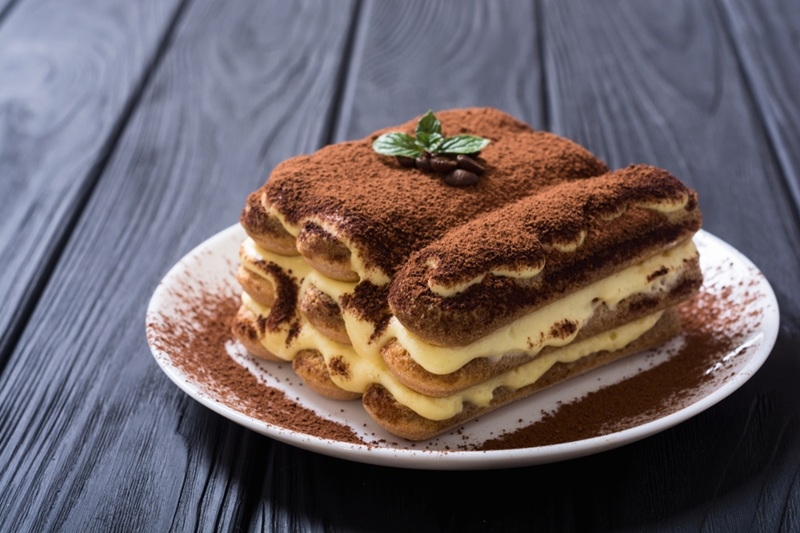
Italian pastries and desserts are among the finest and most comforting types of sweets in the world. Ranging from traditional tiramisu recipes to Sicilian-style cannoli, Italy's dessert culture is a blend of artistry, cultural heritage, and centuries-old craftsmanship. While Italian pastry trends are changing and more modern Italian sweets are becoming popular, traditional Italian desserts remain icons of indulgence and tradition.
The purpose of this guide is to share the histories, techniques, and irresistible allure of traditional Italian desserts, and to demonstrate how they continue to influence the global dessert community today.
Italian desserts traditionally reflect their regional origins, family traditions, and seasonal products. These simple yet flavorful sweet dishes are all about the balance between fresh dairy, quality eggs, bright citrus zest, and excellent-quality chocolate rather than overly complicated candy.
Tiramisu is an elegant, simple recipe. Tiramisu originated in the Veneto region of Italy and consists of alternating layers of espresso-soaked lady fingers, mascarpone cream, and cocoa powder.
To create an authentic tiramisu, you must use:
Using restraint when making tiramisu is key to the dish's success. Over-soaking lady fingers will ruin the dish's texture, while excessive sweetness will mask its delicious flavors. By using accurate measurements of each primary ingredient, you will produce a dish that is truly a luxurious dessert yet still very approachable.
In current culinary culture, chefs are adapting the tiramisu style by serving it in a variety of different serving vessels, including jars and cakes, but the traditions associated with Italian desserts continue to live on by honoring the original combination of ingredients.
Few desserts embody the essence of southern Italian cuisine better than the Sicilian Cannolo. Cannoli originated in Sicily as crispy pastry shells shaped into a tube, filled with sweetened ricotta, and often enhanced with chocolate chips or citrus zest.
Authentic Sicilian Cannoli feature:
Although originally created during the Carnival season, Sicilian Cannoli are now found in classic Italian bakeries around the world. Despite the evolution of Italian pastry styles through the years, the recognizable combination of crunch and cream will never go out of style!
Italian food is rooted in tradition, but it’s also about innovation. Today, Italian pastry trends take traditional flavors and combine them with modern trends from all around the world.
What are some examples of modern Italian desserts and sweets? Here are a few examples of how sweet Italian pastries have been innovated in upscale bakeries, whether you’re in Milan, Italy, or New York City, New York:
The essence of Italy's pastries has remained unchanged over time, though many of the new items take a more minimalist approach, emphasizing authentic, all-natural flavors and creative presentation.
There are many classic Italian pastries and baked goods found in every pasticceria throughout Italy that will never go out of style. Some examples include:
All of these classic Italian pastries showcase Italy’s regional diversity: northern Italian desserts are typically creamy, soft, and delicate, while southern Italian desserts emphasize fresh citrus and nuts and often have a more cracked consistency.
Even as modern Italian sweets experiment with texture and plating, classic Italian bakery items preserve authenticity. This harmony between tradition and creativity defines the global success of traditional Italian desserts.
Italian desserts reflect the essence of luxury luxury defined by the quality of ingredients and craft rather than material elements such as gold leaf or extravagantly embellished plating.
When creating an authentic Italian dessert, the Italian pastry chef who is skilled will focus on the following:
An authentic Tiramisu relies far more on the quality of coffee than the quantity of decoration, while a traditional Sicilian Cannoli emphasizes the use of fresh ricotta rather than sugar or decoration.
Italian desserts are also about balance and simplicity; they are balanced and complementary to each other (sweetness to bitterness, creaminess to crunch, and richness to acidity), and, as such, do not overwhelm the palate or senses. Some of the new trends in Italian desserts will experiment, but through experimentation, they will always be grounded in this foundation of balance.
A huge number of Italian desserts have found their way into casual and fancy establishments around the world; in fact, you can find them everywhere from upscale restaurants to small family-owned bakeries that cater to their neighbours.
As a perfect example of this trend, tiramisu recipes have become staples on fine-dining menus, while cannolis have found a place on gourmet bakery shelves and wedding dessert tables. While classic Italian pastries such as biscotti have remained favourites alongside coffee for many years, Italian bakeries continue to evolve, drawing on traditional recipes to inspire new and exciting additions to their menus. Whether a modern Italian pastry looks very modern or very traditional, you can be assured it has been delivered from Italy.
You do not have to go to Rome or Palermo to treat yourself to the Italian dessert experience. Here's how you can create your own Italian dessert experience:
Begin with an authentic tiramisu recipe and make sure you include the following:
When making cannoli (in the Sicilian style), it is essential to use fresh ingredients. Fill the cannoli shells just before serving to keep them crispy.
Try combining traditional methods with a creative approach. Try adding fresh seasonal berries to your panna cotta or experiment with different flavours of mascarpone while still respecting the classic recipes.
If you are interested in both baking and cooking Italian desserts in your home kitchen, by combining your knowledge of cooking and baking with techniques, you will be able to recreate traditional Italian desserts and create your own modern Italian desserts at home.
The heritage, artistry, and cultural pride embodied in traditional Italian desserts transcend just deliciousness. From the velvety smoothness of an authentic tiramisu recipe to the crispy celebration of a Sicilian cannoli, these desserts bring generations together.
While new Italian pastry trends feature bold reinterpretations, and modern Italian desserts are attracting younger diners, classic Italian desserts remain the foundation of Italy’s culinary heritage.
Every bite of a traditional Italian dessert tells a story, the story of each region’s traditions and rituals, as well as of refined sophistication. The complex flavors and textures of these richly historic desserts will continue to be part of tables around the world for years to come.
An authentic recipe for Tiramisu is made with Mascarpone cheese, espresso-filled ladyfingers, egg yolks, and cocoa. We do not use heavy cream as a substitute for Mascarpone; the texture is balanced between the ladyfingers and the cream, and the dessert relies on proper chill time to create a refined, traditional Italian dessert.
Yes, the main difference between Sicilian-style cannoli and other styles is that the ricotta used to make Sicilian-style cannoli is made from sheep's milk, the shells are thin and brittle, and they are much less sweet than other varieties. All of these differences reflect traditional preparation methods of regional cuisine.
New Italian pastry ideas are emerging through new flavour combinations and presentations. Classic Italian bakery desserts use traditional "tried and true" recipes. All of these savings illustrate how Italian pastries are changing while still maintaining the characteristics of traditional Italian desserts.
This content was created by AI